

Best Hardwood Floors: The 2026 Truth
Why Hardwood Flooring Remains the Gold Standard for High-Traffic Facilities
Best hardwood floors combine durability, timeless appeal, and long-term value—making them a smart investment for facilities that need to withstand decades of heavy use. Whether you’re outfitting a school gym, multipurpose room, or administrative wing, understanding what makes hardwood flooring “best” helps you make a decision that protects your budget and serves your facility for generations.
Quick Answer: What Makes the Best Hardwood Floors?
The best hardwood floors for high-traffic facilities depend on three key factors:
- Construction Type – Solid hardwood (single piece of wood) vs. Engineered hardwood (wood veneer over plywood layers)
- Durability Features – Wood species hardness (Hickory, Maple, Oak), protective finishes, and performance coatings
- Installation Location – Above-grade spaces vs. below-grade/basement areas, moisture exposure, and subfloor type
Key Statistics:
- Solid hardwood can last over 50 years when properly maintained
- Material costs range from $3-$14 per square foot
- Professional installation adds $4-$8 per square foot
- Prefinished floors carry warranties of 25+ years vs. 3-5 years for site-finished options
Choosing the right hardwood flooring means balancing initial investment against lifetime performance. According to flooring experts, “You’ll get the best flooring for a given area if you pick a material based on the activities that will happen there.” For facilities with heavy foot traffic, water exposure risks, or budget constraints, this advice is critical.
This guide walks you through the technical differences between solid and engineered hardwood, helps you understand durability factors like wood species and finishes, and explains how to match your flooring choice to your facility’s specific needs. You’ll also learn about installation methods, maintenance requirements, and long-term care that protects your investment.
The First Big Choice: Solid vs. Engineered Hardwood
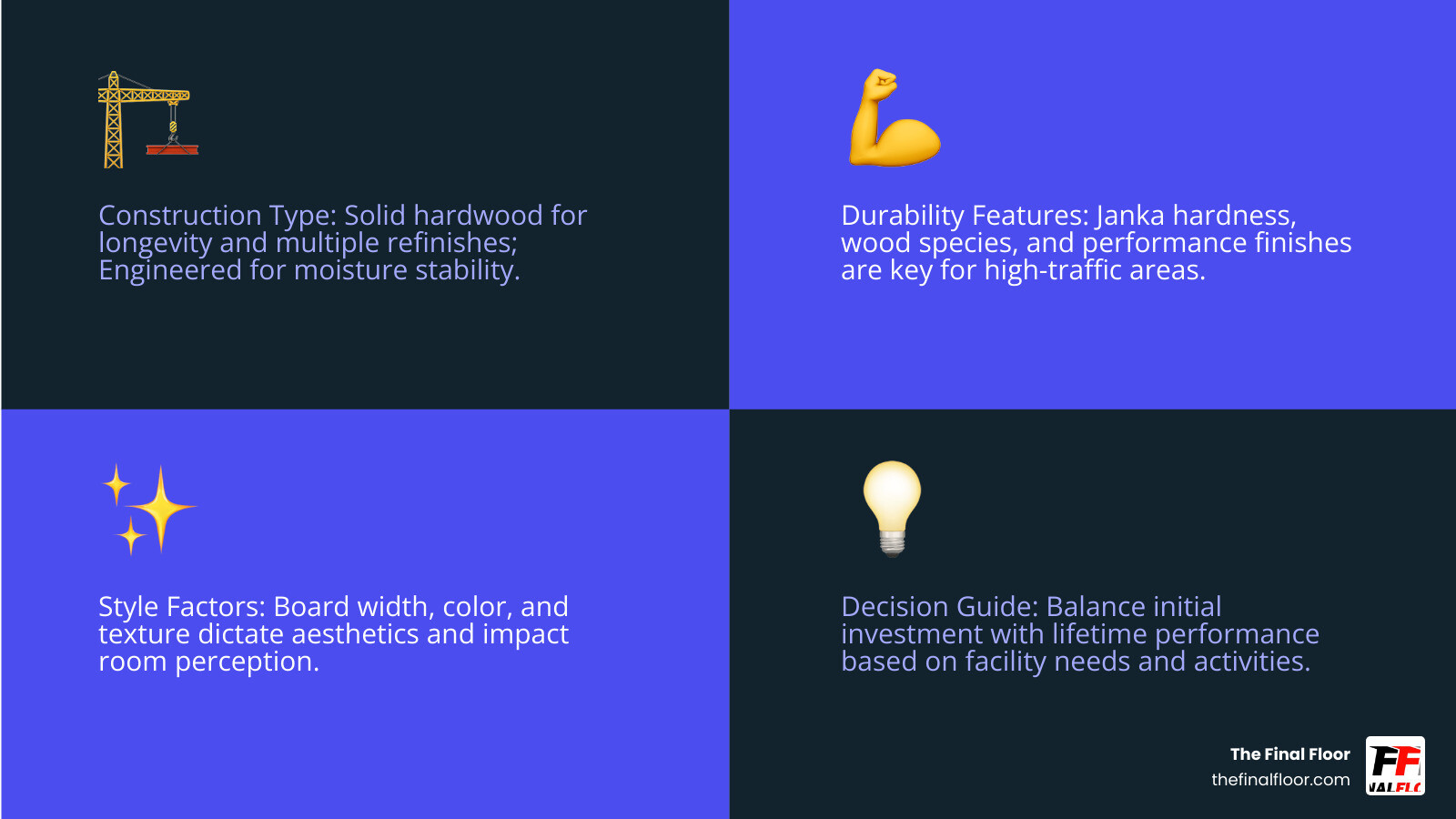
When we talk about the best hardwood floors, the first distinction is between solid and engineered hardwood. While both offer the beauty of natural wood, their construction and performance differ, influencing where they can be installed.
Solid hardwood is a single, solid piece of wood, typically ¾-inch thick. Prized for its authenticity and longevity, this traditional option can be refinished multiple times over its lifespan.
Engineered hardwood features a top veneer of real hardwood bonded over a core of plywood or high-density fiberboard. This layered construction makes it more stable than solid wood, resisting expansion and warping from moisture changes.
The choice between them often depends on the installation location. Solid hardwood is best for installation above grade (on or above ground level) over a wooden subfloor. Its sensitivity to moisture makes it unsuitable for basements or bathrooms.
Engineered hardwood is more versatile due to its stability. We often recommend it for below-grade installations like basements, over concrete slabs, or with radiant heating systems, as it handles moisture fluctuations better than solid wood.
From a cost perspective, engineered hardwood can sometimes be more cost-effective. While solid hardwood material can range from $3 to $14 per square foot, engineered hardwood typically ranges from $4 to over $10 per square foot. The final cost depends on the wood species, grade, and finish.
In terms of lifespan, solid hardwood is a generational investment. Properly maintained, it can last over 50 years because it can be sanded and refinished multiple times. Engineered hardwood typically lasts 20-30 years, as its refinishing capability is limited by the thickness of its top veneer.
Here’s a quick comparison to help you visualize the differences:
| Feature | Solid Hardwood | Engineered Hardwood |
|---|---|---|
| Construction | Single, solid piece of wood | Real wood veneer over cross-layered plywood core |
| Cost | $3-$14/sq ft (material) | $4-$10+/sq ft (material) |
| Best Location | Above grade, wooden subfloor | Below, on, or above grade; basements, concrete, radiant heat |
| Lifespan | 50+ years | 20-30 years |
| Refinishing | Multiple times (many deep sandings) | Limited (1-2 light sandings, depending on veneer thickness) |
| Moisture Stability | Less stable, prone to warping with high moisture | More stable, better resistance to moisture/temperature changes |
Solid vs. Engineered: Choosing the Best Hardwood Floors for Your Space
Making the right choice means weighing their unique pros and cons against your specific needs.
Solid Hardwood Flooring:
- Pros: Best authenticity, natural beauty, and incredible longevity from the ability to be refinished multiple times. It often boosts a home’s resale value.
- Cons: Susceptible to warping with humidity changes, making it unsuitable for moisture-prone areas. Installation typically requires a wooden subfloor.
Engineered Hardwood Flooring:
- Pros: Superior stability makes it resistant to moisture and temperature fluctuations. It can be installed in basements, over concrete, and with radiant heat. Many options are DIY-friendly.
- Cons: Its top veneer limits how many times it can be refinished, resulting in a shorter lifespan than solid hardwood.
For rooms above grade with a wooden subfloor, solid hardwood is a classic, robust choice. However, for basements, concrete slabs, or radiant heating, engineered hardwood is the better option due to its stability.
Can hardwood be installed in kitchens or bathrooms?
This is a common question with a few caveats.
Hardwood in kitchens requires caution. Kitchens are prone to spills and impacts that can damage the floor. If you choose hardwood, clean spills immediately and use rugs in high-risk areas like near the sink. For areas with some moisture, engineered wood is a better choice than solid hardwood due to its stability.
We do not recommend hardwood for bathrooms or laundry rooms. The high humidity and risk of pooling water can cause warping, swelling, and mold. Tile or luxury vinyl are more practical alternatives for these wet areas.
Understanding Durability: How to Find the Best Hardwood Floors for Your Lifestyle
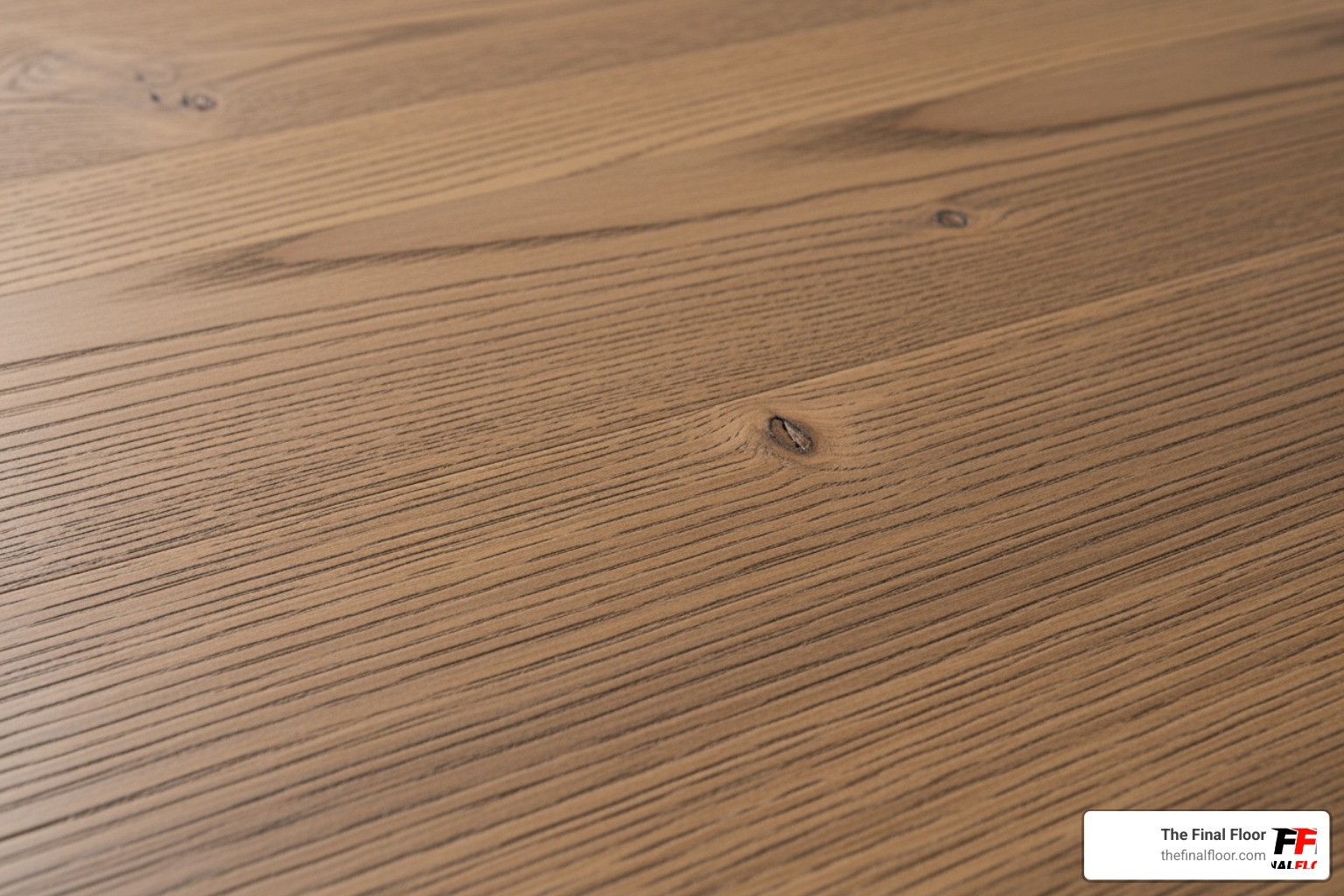
The durability of your hardwood floor is paramount, especially in high-traffic facilities or active homes in Ohio, Indiana, Kentucky, and West Virginia. When selecting the best hardwood floors, how well they stand up to wear depends on the wood’s hardness, the protective finish, and even the gloss level. We also consider your lifestyle—do you have pets, children, or heavy foot traffic?
The Janka Hardness Scale is the industry standard for measuring a wood species’ resistance to denting and wear. A higher rating indicates a harder, more durable wood, making the scale a crucial tool for selecting a floor that matches your anticipated activity level.
Beyond the wood itself, the protective finish is the floor’s first line of defense. Modern finishes offer incredible resilience, and a lower gloss or matte finish can help hide minor scratches and imperfections more effectively.
What are the best hardwood floors for homes with pets and children?
For homes with pets and children, we recommend prioritizing scratch and dent resistance.
- Choose Harder Wood Species: Look for hard species like Hickory, Oak, or Maple, which naturally resist dents and scratches.
- Opt for Low-Gloss Finishes: Low-gloss or matte finishes are excellent for hiding scuffs and scratches because they diffuse light, making imperfections less noticeable.
- Consider Textured Surfaces: Wire-brushed or hand-scraped textures add character and excel at concealing wear and tear.
- Maintenance is Key: Durable floors help, but consistent maintenance is crucial. Keep pets’ nails trimmed, sweep regularly to remove grit, and wipe up spills immediately.
Wood Species and Their Characteristics
The world of hardwood offers a diverse array of species, each with unique characteristics. Choosing the right one is about matching the wood’s properties to your facility’s needs.
Here’s a list of popular wood species and their traits:
- Oak: A durable and classic choice with a pronounced grain that helps hide minor wear. It’s versatile for both traditional and modern interiors.
- Maple: Harder than Oak, Maple has a fine, straight grain and light color, offering excellent dent resistance for active environments.
- Hickory: One of the hardest domestic woods, Hickory offers exceptional durability and a distinctive, character-rich grain.
- Walnut: Prized for its deep, rich brown color and smooth grain, Walnut creates a luxurious look. It’s slightly softer than Oak, but its dark tones hide imperfections.
- Bamboo: Technically a grass, Bamboo is an eco-friendly option processed to be as hard as many traditional hardwoods, with a modern, linear look.
- Exotic Species: Species like Brazilian Cherry, Tigerwood, and Ipe offer striking looks and superior hardness, ideal for the most demanding high-traffic areas.
Finishes, Gloss, and High-Performance Flooring
The finish is a critical component of your floor’s durability and look. The choice between prefinished and unfinished wood, as well as the finish type and gloss level, impacts performance and maintenance.
Prefinished vs. Unfinished:
- Prefinished Hardwood: Comes from the factory already stained and sealed with multiple coats of a highly durable, factory-applied urethane finish. These floors are warranted for 25+ years and offer a quicker, cleaner installation.
- Unfinished Hardwood: Allows for custom staining and finishing on-site for a bespoke look. However, site-applied finishes have a shorter warranty (3 to 5 years) due to less controlled application conditions.
Protective Finishes:
Modern protective finishes are engineered for maximum durability. Many high-quality options include a “Lifetime Finish,” often using nanoparticles for superior protection against wear and scratches.
Gloss Levels:
The gloss level is a cosmetic choice that can influence how visible imperfections are.
- High-Gloss: Looks formal and reflective but shows scratches and dust more easily.
- Satin/Semi-Gloss: A popular middle ground with some sheen.
- Low-Gloss/Matte: Provides a natural look and is excellent at hiding minor scratches, making it ideal for busy homes.
High-Performance Wood Flooring:
For facilities demanding maximum durability, high-performance wood flooring is an excellent choice. Some collections are infused with acrylic, making them up to twice as hard as traditional wood and providing maximum dent resistance. These are ideal for demanding environments like a Gym Flooring setting. For more on specialized flooring, check out our guide on Beyond the Mat: Choosing the Best Gym Flooring for Your Space.
Defining Your Style: Aesthetics of Hardwood Flooring
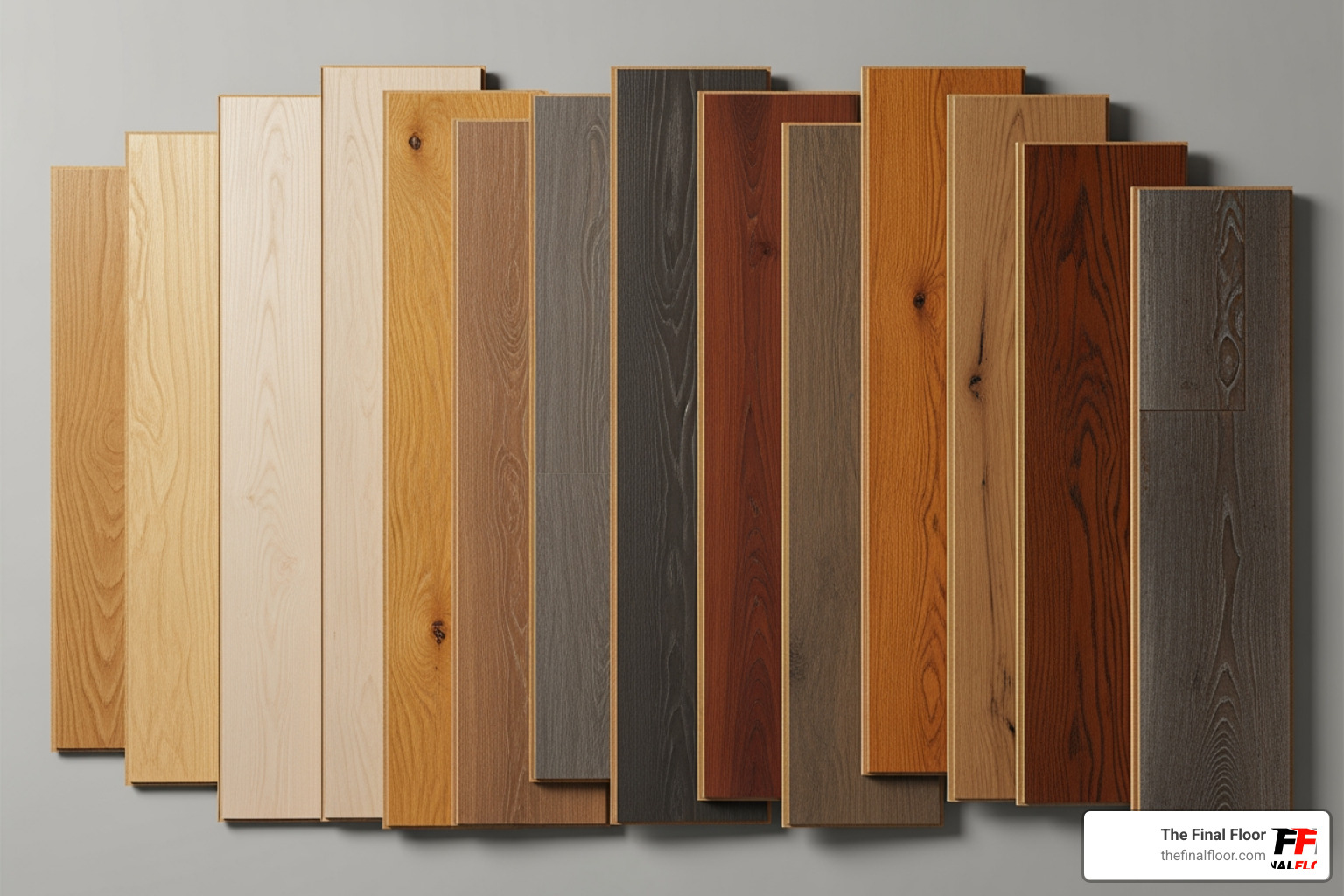
Beyond durability, the aesthetic appeal of your hardwood floor is key to creating the right ambiance. The best hardwood floors don’t just perform well; they also complement your interior design. Your personal preference, decor, and room size will influence the visual effects of different styles, textures, and board widths.
How Board Width and Texture Affect the Look
The width and texture of your hardwood planks can dramatically alter the perception of a space.
-
Board Width:
- Narrow Strips: Planks less than 3 inches wide create a classic, formal look and can make small rooms appear larger.
- Wide Planks: Planks 5 inches or wider create an open, modern feel, making rooms seem more expansive. They have fewer seams, showcasing the wood’s natural grain.
- Mixed-Width Boards: Combining different widths offers a unique, vintage feel reminiscent of early-American craftsmanship.
-
Texture and Surface Treatments:
- Smooth Finishes: This traditional look offers a clean, polished appearance that highlights the wood’s natural grain but can show scratches more easily.
- Hand-Scraped Texture: This artisanal, aged look adds warmth and character and is excellent at camouflaging minor dents and scratches.
- Wire-Brushed Texture: This process removes softer wood fibers to reveal a prominent grain, creating a subtle texture that improves character and effectively hides wear.
-
Wood Grades and Character Marks: The grade of solid hardwood also defines its appearance.
- Select & Better: A clean, uniform look with minimal character marks or knots.
- Builder: Allows for more character marks and color variation for a slightly rustic feel.
- Advantage: Includes more color and grain variations than Builder Grade.
- Tavern: A highly rustic, distressed appearance with open knots and significant color variation.
Choosing Your Color and Matching Trims
The color of your hardwood floors sets the tone for your entire space.
- Natural vs. Stained Colors: You can choose the natural tones of a wood species or use stains to customize the color, from blonde and whitewash to dark brown or grey.
- Light vs. Dark Floors: Light-colored floors can make a room feel larger and brighter, while dark floors create a sense of sophistication. Dark floors may show dust more readily and can fade in areas with direct sun exposure.
- Color Variation: Natural color variation within a species adds to the floor’s unique charm. For durability, different colors of the same product typically perform similarly against foot traffic and stains.
To complete the look, coordinating trims and moldings are essential. These pieces bridge the gap between your flooring and walls or stairs. Options include quarter round, reducers, T-molding, thresholds, and stair noses. Always ask your flooring retailer for coordinating options to ensure a perfect match.
For inspiration, you can See different styles in The Final Floor’s project gallery.
Installation and Long-Term Care
Once you’ve chosen the best hardwood floors, proper installation and long-term care are crucial to maximizing their lifespan and beauty. Even the most durable hardwood needs the right foundation and ongoing attention to last for generations.
DIY vs. Professional Installation
Installing hardwood flooring is a significant undertaking that requires precision and expertise.
-
Installation Methods:
- Nail-Down/Staple-Down: The traditional method for solid hardwood, where planks are fastened to a wooden subfloor.
- Glue-Down: Solid or engineered wood is glued directly to the subfloor, often used over concrete for engineered products.
- Floating Floors: Engineered planks are clicked together but not attached to the subfloor, allowing the floor to expand and contract. This is ideal for basements or over radiant heat. Learn more about How to Install Floating Engineered Flooring and How to Install Laminate & Engineered Hardwood Floors.
-
DIY vs. Professional: While some floating engineered floors can be a DIY project, the precision required for solid or glue-down installations makes professional installation a worthwhile investment to prevent future issues like gapping or warping. A professional ensures the subfloor is properly prepared and humidity levels are correct. Professional installation costs for prefinished hardwood are around $3.50 per square foot, while solid hardwood installation can add $4 to $8 per square foot.
We, at The Final Floor, have extensive experience with hardwood flooring installations across Ohio, Indiana, Kentucky, and West Virginia. For expert results, we recommend you Contact The Final Floor for expert hardwood flooring installation.
Refinishing and Maintaining Your Floors
The ability to refinish hardwood is a key advantage, allowing it to look new for decades.
- Refinishing Solid Hardwood: Because it’s a single piece of wood, solid hardwood can be sanded and refinished multiple times, potentially lasting over 50 years. This process removes wear and allows you to change the stain color.
- Refinishing Engineered Hardwood: Engineered hardwood can be refinished, but only a limited number of times based on the thickness of its top veneer. Floors with a thicker wear layer (3/32-inch or more) can typically be sanded once or twice.
Best Cleaning and Maintenance Practices:
To keep your hardwood floors looking their best, follow these simple guidelines:
- Regular Cleaning: Sweep or vacuum (with a soft brush) regularly to remove grit that can scratch the finish.
- Appropriate Cleaners: Use alcohol-based liquid cleaners specifically designed for pre-finished wood floors.
- What to Avoid: Never use oils, waxes, furniture polish, steam cleaners, or harsh chemicals. Avoid cleaning with water and vinegar, as vinegar can dull the finish and excess water causes damage.
- Immediate Spill Cleanup: Wipe up spills immediately to prevent moisture damage.
- Furniture Protection: Place felt pads under all furniture legs to prevent scratches.
- Area Rugs: Use area rugs in high-traffic zones and at entryways.
- Humidity Control: Maintain a consistent indoor relative humidity between 35% and 65% to prevent gapping or swelling. This may require a humidifier in winter and a dehumidifier in summer.
Frequently Asked Questions about Hardwood Floors
How many times can hardwood floors be refinished?
This depends on the type of hardwood. Solid hardwood can be sanded and refinished many times, allowing it to last over 50 years. Engineered hardwood can typically be refinished only once or twice, depending on the thickness of its top wood veneer. A veneer of at least 3/32-inch is generally required for sanding.
How does hardwood flooring affect a home’s resale value?
Hardwood flooring is a highly desirable feature that significantly increases a home’s resale value. It is viewed as a premium, long-term investment that adds elegance and warmth. Both engineered and solid hardwood add value, but solid hardwood is often perceived as more valuable due to its longevity and authenticity.
How much does hardwood flooring cost?
Hardwood flooring costs vary by wood type, species, finish, and installation.
- Material Costs:
- Engineered hardwood can cost between $4 and $10+ per square foot.
- Solid hardwood can range from $3 to $14 per square foot, depending on the wood type and grade.
- Installation Costs: Professional installation is an additional cost. For prefinished hardwood, plan on about $3.50 per square foot. For solid hardwood, professional installation can add $4 to $8 per square foot.
While the upfront cost can be higher than other options, the longevity and value-adding benefits of hardwood make it a wise long-term investment.
Conclusion
Choosing the best hardwood floors for your home or facility in Ohio, Indiana, Kentucky, or West Virginia is a decision that balances practicality with personal style. This guide has covered the key differences between solid and engineered hardwood, crucial durability factors like wood species and finishes, and aesthetic choices like board width and color. Understanding these elements, along with proper installation and maintenance, is the key to preserving your investment for years to come.
The “best” floor is the one that perfectly meets your specific needs, lifestyle, and aesthetic preferences. At The Final Floor, we pride ourselves on providing durable, high-quality wood systems and expert project management. We’re here to help you steer these choices and ensure your hardwood floors are a source of pride for years to come.
View our portfolio of high-quality flooring projects to see how we’ve transformed spaces just like yours.